
Second Home in Dominican Republic: Complete Buyer’s Guide
Buying a second home in the Dominican Republic offers international buyers the opportunity to enjoy the Caribbean lifestyle while owning a property they can return to throughout the year.
Whether you are looking for a beachfront condo, a private villa with a pool, or a vacation home that can generate rental income when you are away, the Dominican Republic offers a wide range of possibilities.
However, buying a second residence involves more than choosing an attractive property. Foreign buyers should understand ownership regulations, purchase costs, property maintenance, taxation, and the practical challenges of managing a home from another country.
If you are considering a second home in the Dominican Republic, this guide explains what to expect, how to choose the right location, and what to evaluate before purchasing.
Why Buy a Second Home in the Dominican Republic?
The Dominican Republic has become an established destination for international property buyers, particularly those interested in vacation homes, retirement properties, and coastal real estate.
Its appeal goes beyond beaches and warm weather.
Year-Round Tropical Climate
The country’s tropical climate allows homeowners to enjoy outdoor activities throughout the year.
For buyers from North America and Europe, a second residence can provide an alternative to colder winters without requiring a permanent relocation.
However, homeowners should also consider seasonal rainfall, humidity, and the Atlantic hurricane season when selecting and maintaining a property.
International Accessibility
The Dominican Republic has several international airports connecting the country with major destinations in North America, Europe, and the Caribbean.
For second-home buyers, accessibility is particularly important.
A property that requires complicated connections or extensive travel may be less practical for frequent short visits.
Before purchasing, evaluate the complete journey from your primary residence, including airport transfers and local transportation.
Different Property Types and Budgets
Buyers considering a second home in the Dominican Republic can choose from several property categories.
Condominiums are popular among buyers seeking relatively straightforward maintenance and shared amenities.
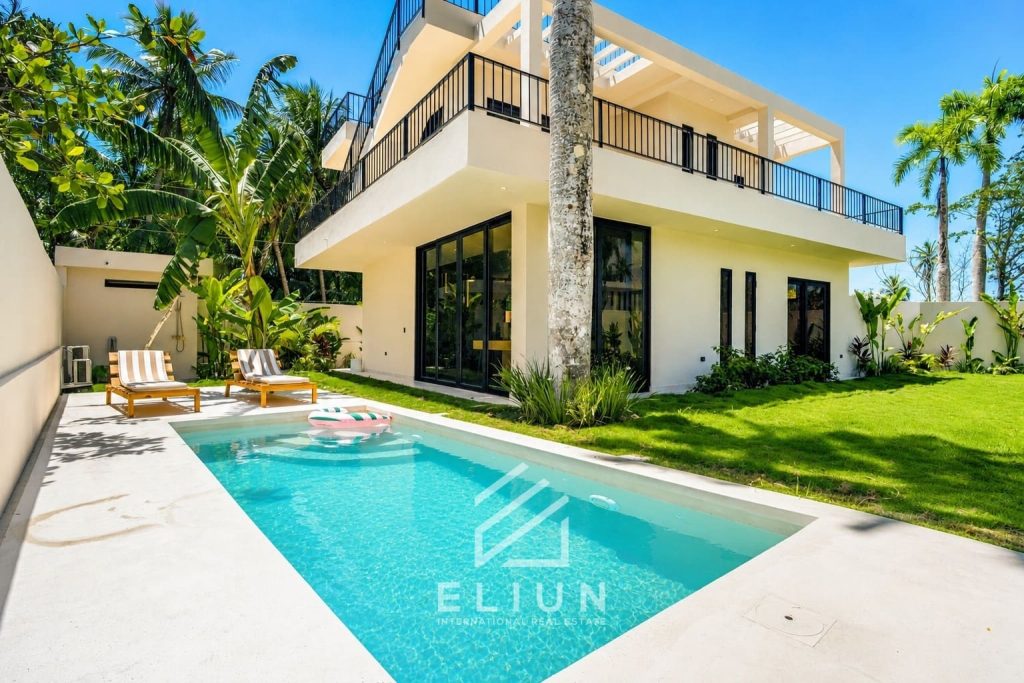
Private villas provide additional space, privacy, and outdoor living areas.
Beachfront and ocean-view properties appeal to buyers who prioritize location and scenery, while pre-construction developments may offer modern layouts and staged payment plans.
Each option comes with different responsibilities and ownership costs.
Flexibility for Personal Use and Rentals
A second home can serve several purposes over time.
You might initially use it for a few weeks each year, gradually extend your stays, and eventually consider spending several months in the country.
Some owners also choose to rent their properties when they are not using them.
This flexibility is attractive, but it is important to choose a property that accommodates your intended use rather than assuming every vacation home will perform equally well as a rental investment.
Can Foreigners Buy a Second Home in the Dominican Republic?
Yes. Foreigners can legally purchase and own real estate in the Dominican Republic, including vacation homes and second residences.
Dominican property law does not generally impose special restrictions on foreign individuals purchasing real estate solely because of their nationality.
The country’s investment framework recognizes the rights of foreign buyers to acquire property under the applicable legal procedures.
According to the Dominican Republic Investment Guide published by ProDominicana, foreign individuals and entities can acquire real estate without nationality-based ownership restrictions.
Unlike certain coastal property markets in other countries, the Dominican Republic does not require foreign buyers to establish a special bank trust simply because they are purchasing near the ocean.
Nevertheless, buyers must verify that the property is legally transferable and that any coastal, environmental, zoning, or other restrictions are respected.
Do You Need Dominican Residency to Own Property?
No. Foreign buyers do not need permanent Dominican residency simply to purchase a property.
However, property ownership and immigration status are separate matters.
Buying a vacation home does not automatically grant the right to live in the Dominican Republic indefinitely.
If you plan to spend extended periods in the country, you should review the immigration requirements applicable to your nationality and circumstances.
The Dominican Republic offers different residence categories, including programs for qualifying investors, but each has its own requirements.
The Dominican Directorate General of Migration provides information about investment-based residency.
Where Should You Buy a Second Home in the Dominican Republic?
Choosing the right location is one of the most important decisions when purchasing a second residence.
The ideal destination depends on how often you plan to visit, your preferred lifestyle, accessibility, property budget, and whether you intend to rent the home.
Las Terrenas: Beach Town Living and International Community
Located on the Samaná Peninsula, Las Terrenas is an attractive option for buyers who want a coastal lifestyle without living inside a large resort complex.
The town combines beaches, restaurants, supermarkets, schools, medical services, and an established international community.
Unlike destinations developed primarily around large resorts, Las Terrenas offers a residential environment where visitors and full-time residents share many of the same services.
Buyers can find beachfront apartments, modern condominiums, private villas, hillside homes with ocean views, and land for future construction.
Popular areas include:
Playa Bonita: Known for its attractive beachfront setting and residential properties, including luxury villas and condominiums.
Las Ballenas: A convenient coastal area with access to the beach, restaurants, and the town center.
Punta Popy: An active beachfront area with nearby dining, recreation, and residential developments.
Cosón: A quieter coastal environment with spacious villas, land, and luxury properties.
El Portillo: An area with beachfront residential developments and access to quieter stretches of coastline.
For buyers considering a second home in Las Terrenas, the choice between these areas should reflect personal preferences rather than simply following market trends.
Punta Cana: Resort Infrastructure and Amenities
Punta Cana is one of the Dominican Republic’s best-known international tourism destinations.
Its real estate market includes resort communities, condominiums, villas, golf-oriented developments, and properties near commercial and entertainment facilities.
It may be particularly attractive to buyers who prioritize proximity to a major international airport, resort amenities, and planned residential communities.
However, the experience can differ considerably from that of a smaller coastal town.
Cabarete and Sosúa: Active Coastal Lifestyle
Cabarete and Sosúa, on the northern coast, offer established international communities and a range of residential properties.
Cabarete is especially associated with water sports, including kitesurfing and windsurfing.
These destinations may appeal to buyers who prioritize outdoor activities and access to the north coast.
Santo Domingo: Urban Convenience
Not every second-home buyer wants to live near the beach.
Santo Domingo offers an urban environment with major hospitals, shopping centers, restaurants, professional services, and cultural attractions.
It may suit buyers who regularly travel for business or prefer city living.
For those seeking a traditional Caribbean vacation-home experience, however, coastal destinations may be more appealing.
Condo or Villa: Which Is Better for a Second Home?
This decision has a significant impact on maintenance, expenses, and how easily you can manage the property while living abroad.
Buying a Condo
A condominium is often a practical choice for buyers who visit several times per year.
Many developments provide shared services such as:
- Security and controlled access
- Swimming pools
- Landscaping
- Common-area maintenance
- Parking
- Backup electricity
- Building administration
These services can reduce the amount of work an owner needs to coordinate personally.
However, they are funded through condominium fees, commonly known as HOA fees.
Before purchasing, review the condominium’s regulations, financial condition, reserve funds, and policies regarding vacation rentals.
Buying a Private Villa
A villa may be preferable for buyers who value privacy, additional bedrooms, private gardens, and outdoor living areas.
It can also accommodate larger families or extended visits.
However, a villa generally requires more direct maintenance.
Swimming pools, gardens, security systems, exterior surfaces, and mechanical equipment must be managed even when the property is unoccupied.
If you intend to purchase a villa but live abroad most of the year, reliable local property management should be part of your ownership plan from the beginning.
Which Option Makes More Sense?
A condo may be better suited to an owner seeking a relatively low-maintenance vacation property.
A villa may be more appropriate for someone planning longer stays, accommodating family members, or prioritizing privacy.
Neither property type is automatically a better investment.
Location, construction quality, management costs, rental restrictions, and purchase price all influence the decision.
How Much Does a Second Home in the Dominican Republic Cost?
The price of a second home in the Dominican Republic varies significantly depending on the destination, property type, size, construction quality, and proximity to the beach.
A small inland apartment and a luxury beachfront villa belong to very different market segments.
In Las Terrenas, buyers can find relatively compact condos, larger residential apartments, private villas, and premium beachfront properties.
For a meaningful comparison, evaluate the following:
Location: Beachfront and prime residential areas generally command higher asking prices than comparable properties farther inland.
Property condition: A newly completed condo may require fewer immediate improvements than an older property, although new construction is not automatically free of defects.
Amenities: Private pools, ocean views, security, elevators, backup power, and shared facilities can influence both purchase price and ongoing costs.
Ownership expenses: Two properties with similar asking prices can have very different annual operating budgets.
Rather than relying on national average prices, buyers should compare properties within the same destination and category.
For example, if your budget is US$300,000, compare available two-bedroom condos or villas in specific neighborhoods rather than assuming that the same budget buys equivalent properties throughout the country.
What Are the Costs of Owning a Second Home?
One of the most common mistakes buyers make is focusing exclusively on the purchase price.
A second residence generates expenses even when nobody is staying there.
Purchase and Closing Costs
In the Dominican Republic, real estate transfers generally involve a 3% property transfer tax, subject to the applicable tax valuation rules and any legally available exemptions.
The Dominican tax authority, DGII, provides information about the property transfer process and the applicable tax.
Buyers should also budget for legal fees, documentation, registration expenses, and any other costs specific to the transaction.
The final amount should be calculated before signing a binding purchase agreement.
Annual Property Tax
The Dominican Republic applies an annual real estate wealth tax known as Impuesto al Patrimonio Inmobiliario (IPI).
For individuals, the standard rate is 1% on the taxable value exceeding the applicable exemption threshold.
The DGII currently lists a threshold of RD$10,695,494.
The tax applies according to the taxpayer’s taxable property holdings and the applicable rules, rather than simply being calculated on the advertised price of an individual home.
Certain exemptions may apply.
For updated information, consult the DGII’s official IPI guidance.
Maintenance and Operating Expenses
Depending on the property, recurring expenses may include:
- Electricity and internet
- Water supply
- Condominium fees
- Pool and garden maintenance
- Insurance
- Security
- Air-conditioning servicing
- Repairs and replacement of equipment
- Property management
- Periodic inspections
For a second home in the Dominican Republic, humidity and salt exposure are particularly important considerations.
A property near the ocean may require more frequent maintenance of metal fixtures, exterior finishes, windows, and air-conditioning equipment.
A realistic annual budget should include a reserve for unexpected repairs.
Can You Rent Out Your Second Home When You Are Away?
Many international buyers consider renting their vacation homes during periods when they are not using them.
This can help offset ownership expenses, but rental income should not be treated as guaranteed.
Short-term rental performance depends on several factors.
Location and Accessibility
Properties close to beaches, restaurants, and popular attractions may appeal to vacationers.
However, the specific location matters more than the general reputation of the destination.
A property advertised as being in Las Terrenas could be within walking distance of the beach or require a vehicle for most activities.
Property Features
Air conditioning, reliable internet, comfortable furnishings, backup electricity, and a well-maintained pool can influence guest experience.
The importance of individual amenities varies according to the type of property and target guest.
Management Costs
If you live abroad, someone must handle reservations, guest communication, check-ins, cleaning, maintenance, and unexpected problems.
Professional management reduces the owner’s day-to-day responsibilities but also reduces net rental income.
Personal Use Versus Rental Availability
There is an important trade-off.
The weeks you most want to enjoy your vacation home may also be among the most attractive periods for vacation rentals.
If you plan to spend Christmas, Easter, or other peak travel periods at the property, those dates will not be available to paying guests.
Therefore, rental projections should reflect your actual intended use.
A second home should make financial sense even if rental income is lower than expected.
Before purchasing, also confirm that the condominium or residential community permits your intended rental activity and that you understand the relevant tax and operating obligations.
Managing a Second Home From Abroad
Owning property in another country requires planning, particularly if you visit only a few times each year.
A home that remains vacant for extended periods still needs attention.
In a tropical environment, minor maintenance problems can become expensive if they go unnoticed.
For example, a small roof leak, plumbing problem, or malfunctioning air-conditioning unit may cause significant damage when nobody is present to identify it.
A reliable management arrangement should cover several essential responsibilities.
Regular inspections: Checking for leaks, humidity, pests, and signs of deterioration.
Preventive maintenance: Servicing air-conditioning units, cleaning drainage systems, inspecting waterproofing, and maintaining pools or gardens.
Security: Monitoring access, checking doors and windows, and responding to incidents.
Utilities: Ensuring electricity, water systems, and internet services remain operational when needed.
Arrival preparation: Cleaning, ventilation, and checking equipment before the owner’s visit.
For buyers purchasing a second home in Las Terrenas, it is worth investigating local property management options before completing the acquisition.
A property that looks attractive during a short visit may be less convenient if maintenance services are difficult to coordinate.
Should You Buy a Completed Property or Pre-Construction?
Both options are available in the Dominican Republic.
Completed Properties
Buying an existing home allows you to inspect the finished property and evaluate its actual condition.
You can assess the building, surrounding area, noise levels, access roads, common facilities, and existing maintenance requirements.
A completed property may also be available for personal use shortly after the purchase process is finalized.
However, older properties can require renovations or equipment replacement.
Pre-Construction Properties
Pre-construction developments may offer modern layouts, new amenities, and payment schedules linked to construction milestones.
Some buyers also appreciate the possibility of selecting finishes or layouts, depending on the development.
However, purchasing before completion introduces additional considerations.
Construction delays, changes in specifications, developer financial capacity, permits, and contractual protections should all be investigated.
An independent attorney should review the purchase agreement and relevant project documentation.
For buyers who want immediate and predictable personal use, a completed property may offer greater practical certainty.
Pre-construction can still be appropriate, provided the buyer understands and accepts the associated risks.
How to Buy a Second Home in the Dominican Republic
Although each transaction is different, the general process involves several important stages.
1. Define Your Intended Use
Start by determining how you plan to use the property.
Will you visit for a few weeks each year?
Do you intend to spend entire winters there?
Will family members use the property?
Do you want to rent it when you are away?
These questions should influence the type of property and location you select.
2. Establish a Complete Budget
Consider more than the purchase price.
Include closing expenses, furnishing, initial improvements, insurance, maintenance, and a reserve for unexpected costs.
If rental income is part of your plan, calculate realistic net income after expenses rather than relying on gross revenue projections.
3. Compare Locations and Properties
Visit properties in person whenever possible.
Explore the surrounding neighborhoods at different times of day.
Evaluate road access, nearby services, construction activity, and the condition of neighboring properties.
If you are considering Las Terrenas, compare different areas rather than assuming they offer the same lifestyle.
4. Hire an Independent Attorney
Independent legal representation is essential.
Your attorney should verify the seller’s authority to transfer the property, title registration, encumbrances, relevant cadastral information, taxes, and other legal matters.
The U.S. Department of State has also emphasized the importance of comprehensive property due diligence in the Dominican Republic because of historical challenges involving land registration and titles.
5. Inspect the Property
Legal due diligence and physical inspection are separate processes.
A qualified professional should evaluate the building’s condition, including electrical installations, plumbing, waterproofing, roofing, drainage, and other relevant systems.
For coastal properties, pay particular attention to corrosion and moisture.
6. Complete the Purchase and Registration
Once the legal review, contract negotiations, and required payments have been completed, the transaction proceeds through the applicable transfer and registration procedures.
Your attorney should confirm that the transfer is properly registered and that you receive the appropriate ownership documentation.
Common Mistakes When Buying a Second Home
Several mistakes can make international property ownership more expensive or complicated than expected.
Choosing a Property Based Only on Vacation Experience
A destination that is enjoyable for one week may not necessarily meet your needs for extended stays.
Consider access to groceries, medical services, transportation, and other everyday requirements.
Underestimating Maintenance
Tropical properties require consistent care.
A private pool, large garden, or beachfront location may add significantly to annual expenses.
Assuming Rental Income Will Cover Everything
Rental income depends on occupancy, pricing, seasonality, management, and competition.
A property should be evaluated using conservative financial assumptions.
Ignoring Condominium Regulations
Some communities restrict short-term rentals, renovations, pets, or the use of common areas.
Review the regulations before purchasing.
Skipping Independent Legal Advice
A seller, developer, or real estate agent should not replace independent legal representation.
Professional due diligence is one of the most important safeguards in an international property transaction.
Is a Second Home in the Dominican Republic a Good Investment?
A second home can provide value in several ways.
Some benefits are financial, while others are personal.
A property may offer potential long-term appreciation, rental income, or the opportunity to reduce hotel expenses during frequent visits.
However, appreciation is not guaranteed, and owning a home involves expenses that hotel guests do not face.
Transaction costs can also make short ownership periods less attractive.
For this reason, buyers should distinguish between two objectives.
Lifestyle purchase: The primary goal is enjoying the property personally. Rental income or appreciation may be secondary benefits.
Investment-oriented purchase: Financial performance is a major consideration, and the property must be evaluated using operating expenses, realistic revenue projections, and resale prospects.
Many second-home buyers fall somewhere between these categories.
The most appropriate property is one that fits both your lifestyle and your financial expectations.
Why Consider Las Terrenas for Your Second Home?
For buyers exploring a second home in the Dominican Republic, Las Terrenas deserves particular attention.
Its appeal lies in the combination of natural surroundings and established residential services.
The area offers access to beaches such as Playa Bonita, Las Ballenas, Punta Popy, and Cosón, while maintaining restaurants, shops, supermarkets, and other services used by year-round residents.
There is also a broad selection of property types.
A buyer seeking convenience may prefer a condo near the beach or town center.
Someone prioritizing privacy may be more interested in a villa in Cosón or a hillside residential area.
Buyers interested in newer developments can explore pre-construction opportunities, while those seeking immediate use can focus on completed homes.
Importantly, Las Terrenas is not a single uniform real estate market.
Each neighborhood has different characteristics, property types, and practical considerations.
Working with an agency familiar with the local market can help buyers narrow their search to properties that match their intended use.
Frequently Asked Questions
Can Americans and Canadians Buy a Second Home in the Dominican Republic?
Yes. Americans, Canadians, and other foreign nationals can generally purchase real estate in the Dominican Republic under the applicable legal framework.
Foreign nationality alone does not prevent property ownership.
Do I Need to Live in the Dominican Republic to Own a Home?
No. You can own property while maintaining your primary residence abroad.
However, immigration rules determine how long you may legally remain in the country during each visit.
Can I Use My Second Home as a Vacation Rental?
Potentially, yes.
You should verify that the property’s legal status, condominium regulations, and applicable operating requirements permit your intended rental activity.
Do I Have to Pay Property Taxes?
Depending on the property’s taxable value, your total property holdings, ownership structure, and applicable exemptions, annual property tax may apply.
The Dominican tax authority provides the current rules and thresholds.
Is a Condo Easier to Maintain Than a Villa?
Often, yes.
Condominiums typically provide shared maintenance and administration, although these services are funded through HOA fees.
Private villas generally require more direct coordination of maintenance and security.
Does Buying a Second Home Give Me Dominican Residency?
No. Property ownership does not automatically grant residency.
Immigration status must be addressed separately under the applicable requirements.
Final Thoughts: Buying a Second Home in the Dominican Republic
Purchasing a second home in the Dominican Republic can be an attractive option for international buyers seeking a Caribbean property for vacations, extended stays, or a combination of personal use and rental income.
The country offers different destinations, property types, and ownership possibilities, while generally allowing foreign buyers to acquire real estate without nationality-based restrictions.
However, choosing the right property requires careful planning.
Location, accessibility, maintenance, taxes, legal due diligence, and management arrangements should all be evaluated before making a commitment.
For buyers who prefer a coastal town with an established international community, Las Terrenas offers a compelling combination of beaches, residential services, and diverse real estate opportunities.
The best second home is not necessarily the most luxurious property or the one with the highest projected rental income.
It is the property that fits your budget, lifestyle, and long-term plans.
Find Your Second Home in Las Terrenas
If you are considering purchasing a second home in the Dominican Republic, Eliun International Real Estate can help you explore available properties in Las Terrenas and the surrounding Samaná Peninsula.
Whether you are looking for a beachfront condo, a private villa, an ocean-view home, or a property suitable for occasional vacation rentals, our team can help you compare options based on your preferences and budget.
Explore Properties for Sale in Las Terrenas and discover opportunities for your future Caribbean home.